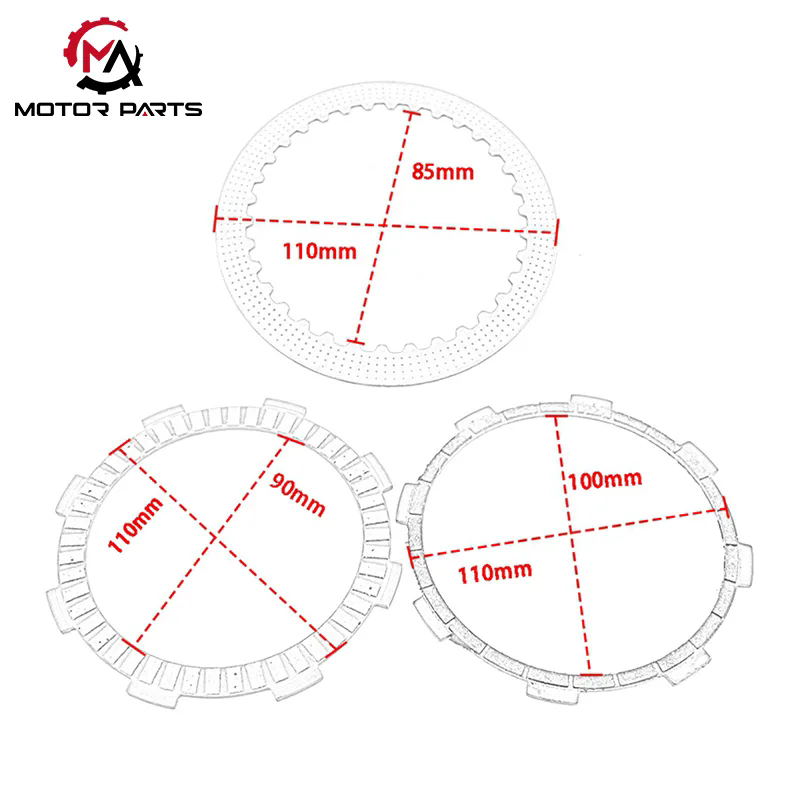
Since its establishment, Max Trading, a manufacturer from China, has always focused on the research and development of motorcycle brake systems. With a technical team led by racing brake engineers, Max Trading has iteratively optimized track level braking technology and transformed it into mature products suitable for the civilian market. Each brake system of Max Trading has undergone 300+hours of bench testing and 5000 kilometers of real vehicle road testing to ensure that professional quality can withstand the test.
In the motorcycle control system, the braking components are an important part of ensuring riding safety, just like the "safety reins" in the rider's hand, which directly determine whether the vehicle can slow down or stop in an emergency. A complete braking system consists of multiple key components working together, among which the motorcycle brake lever, brake pedal, disc brake pump, brake disc, and brake shoes each undertake unique and indispensable functions, jointly building the safety protection barrier of the motorcycle.
Motorcycle brake lever: the "control center" for front wheel braking
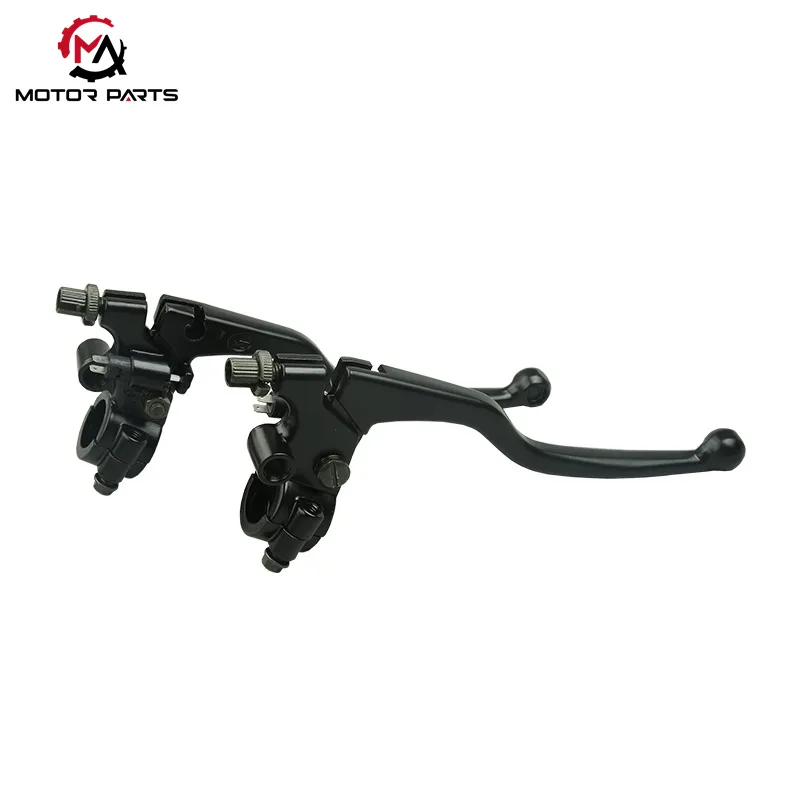
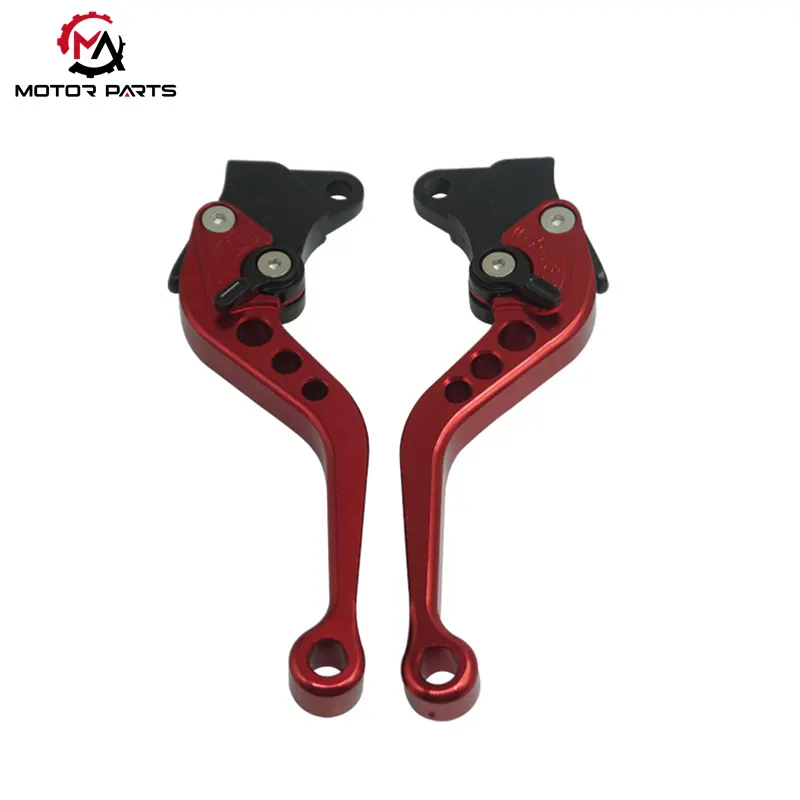
The brake lever of a motorcycle is usually installed on the right side of the handlebar, but some models may adjust its position based on design requirements. It is an important component for riders to control the front wheel braking, which can convert the control force applied by the hands into a trigger signal for the braking system.
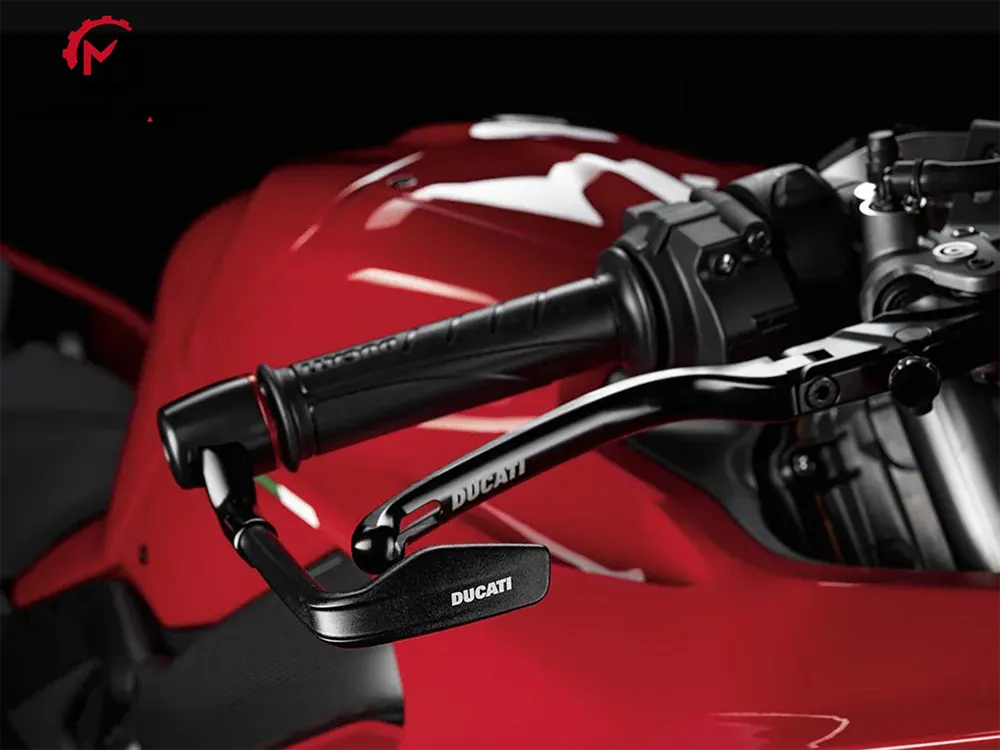
From a structural perspective, brake handles are often made of aluminum alloy material, which ensures high strength while achieving lightweight; The surface has undergone anti slip treatment, ensuring a stable grip even in rainy weather or when the rider's hands sweat. The end of the handle is connected to the brake cable or hydraulic oil pipe. When the rider squeezes the handle, the force is transmitted to the front wheel brake actuator pass mechanical or hydraulic transmission.
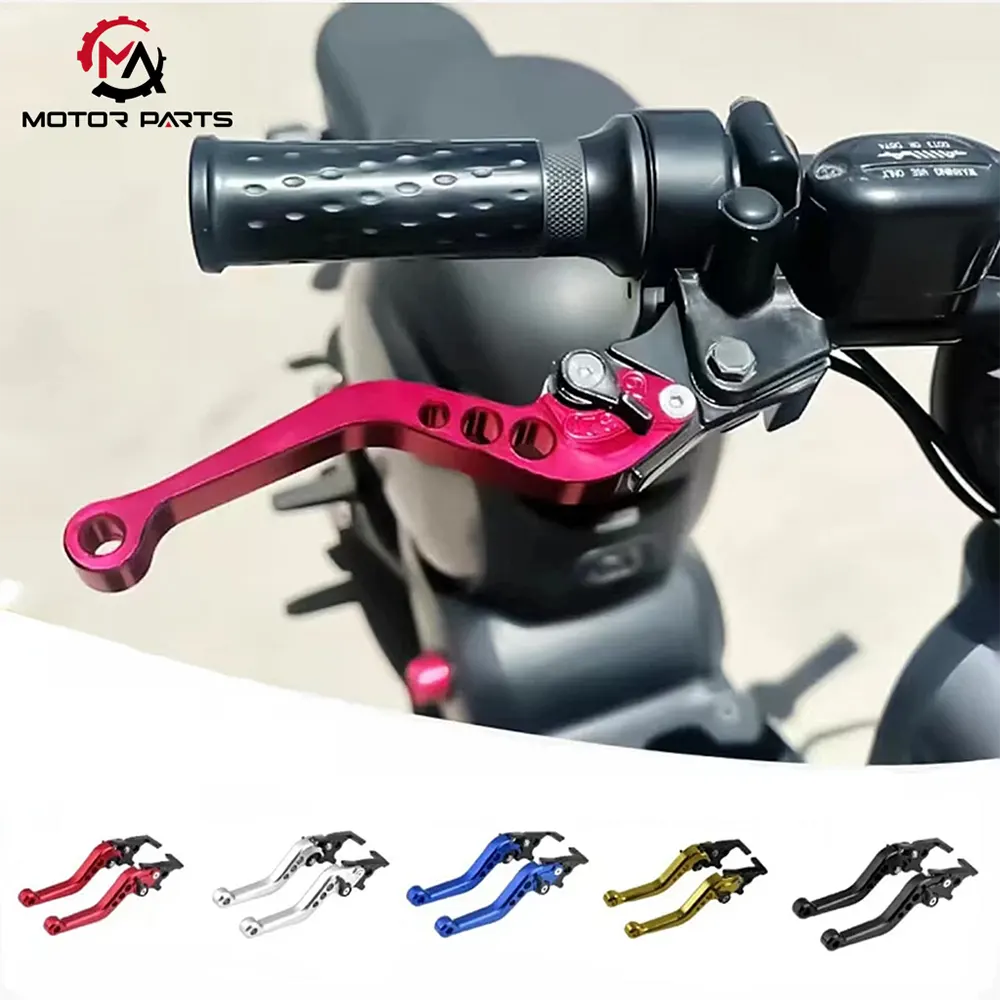
In the actual riding process, the operating accuracy of the brake lever is closely related to the braking effect. A good brake lever often has a stroke adjustment function, and the rider can flexibly adjust the grip stroke of the lever according to their own hand size and control habits. Some models are also equipped with anti lock braking system (ABS) linkage devices on the brake lever. When the system detects that the front wheels are about to lock up, it will automatically adjust the braking force transmitted by the lever, effectively preventing wheel slippage and greatly improving braking safety.
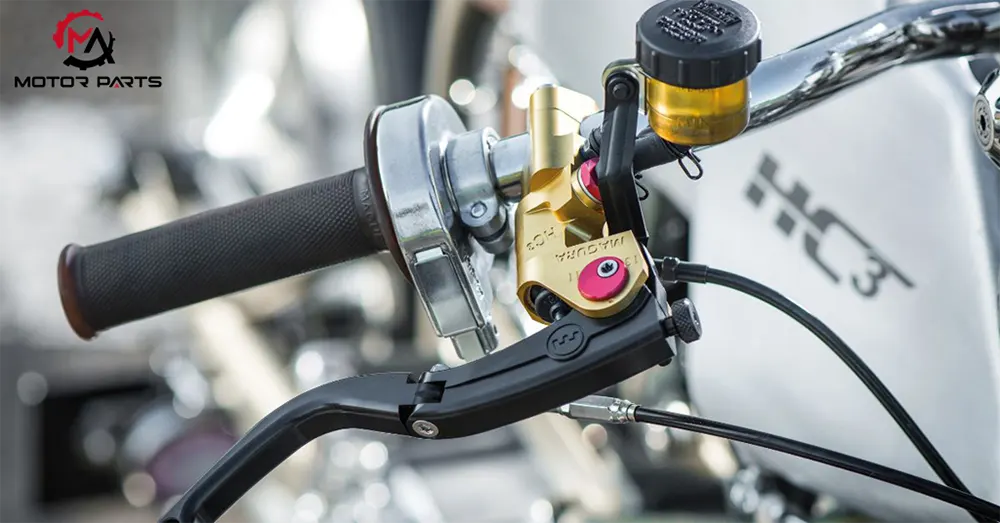
Motorcycle brake pedal: the "power lever" for rear wheel braking
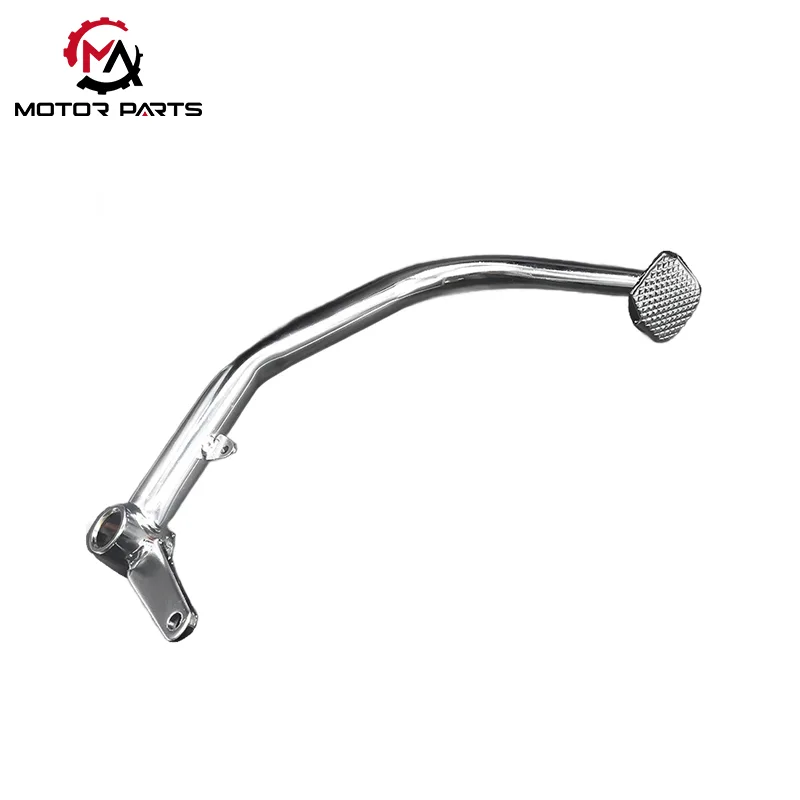
Corresponding to the brake lever that controls the front wheels, the motorcycle brake pedal is mainly responsible for controlling the rear wheel braking. It is usually installed in the pedal area on the right side of the motorcycle and achieves braking control through the rider's foot stepping action.
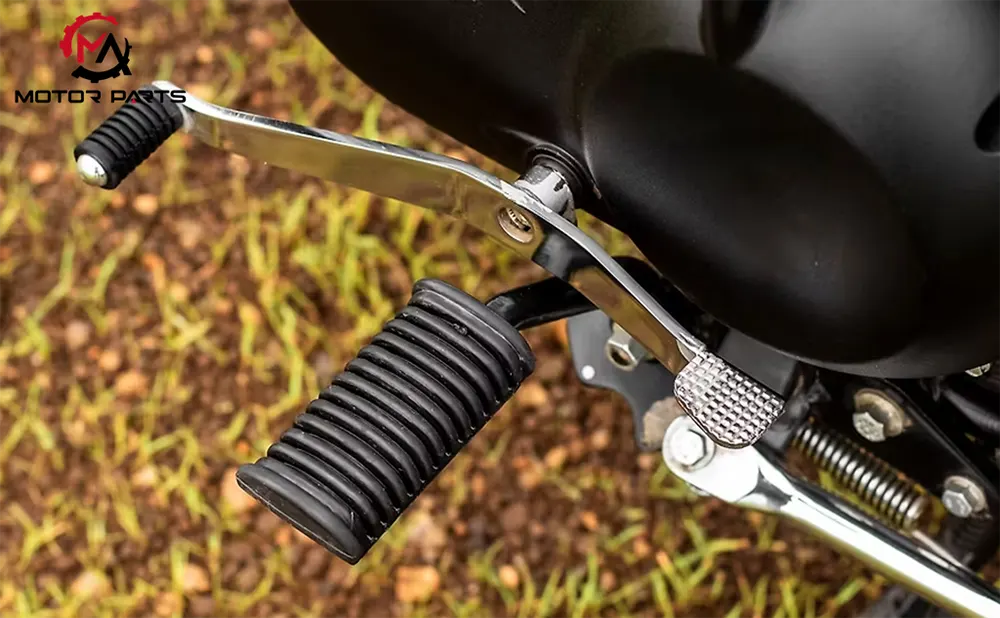
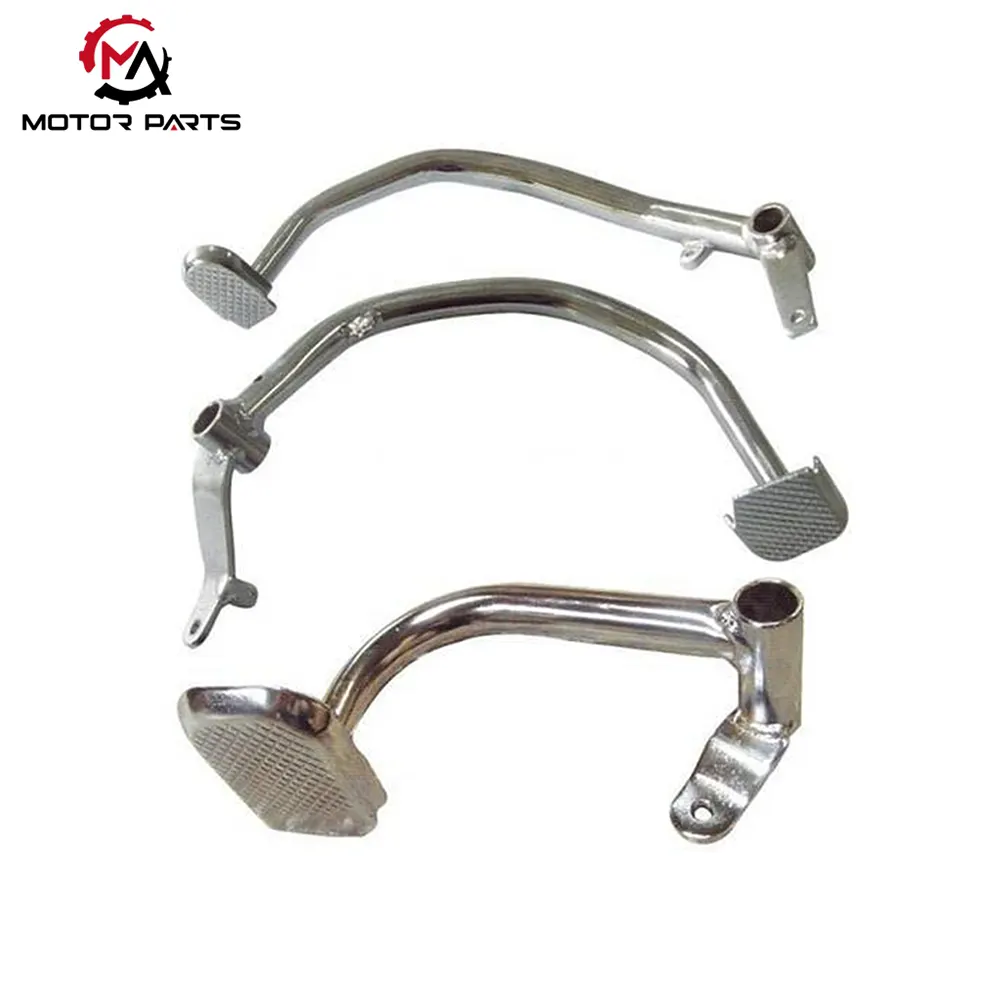
The brake pedals produced by Max Trading are mostly made of high-strength steel, and the surface is treated with rust prevention. Some pedals also have anti slip patterns added to prevent the rider's hands and feet from slipping during braking.
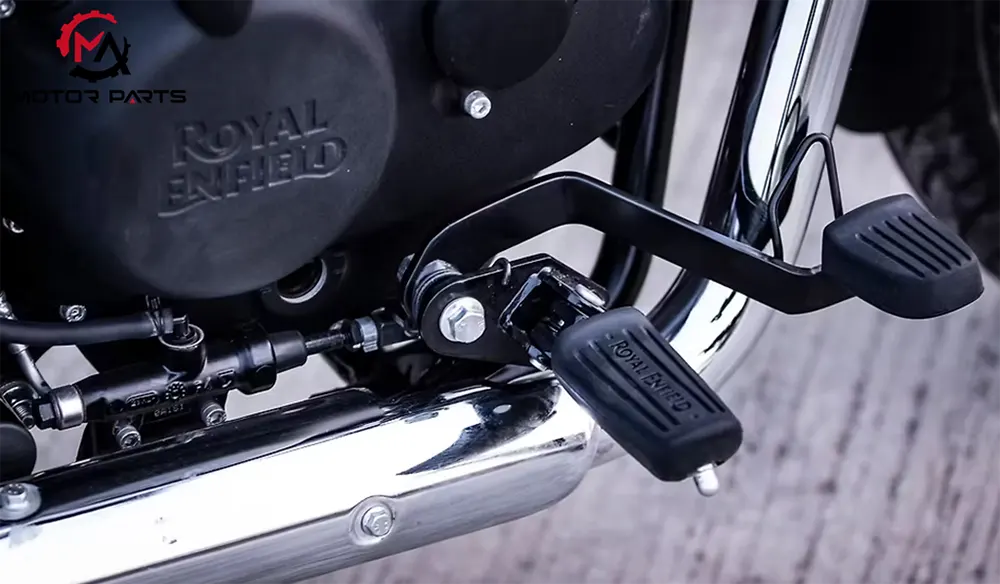
The working principle of the brake pedal is stemmed from the lever principle. The rider applies pressure through their feet, and the pedal transmits the force to the rear wheel braking mechanism (such as drum brakes or disc brakes). In terms of design, the stroke and force of the brake pedal are precisely tuned to guarantee that the rider can easily apply sufficient braking force and perceive the braking status of the rear wheels through feedback from the pedal, avoiding rear wheel lock caused by excessive braking force. In addition, some motorcycles also combine the brake pedal with the parking brake function. When the vehicle comes to a stop, the rider can achieve parking brake by stepping on the brake pedal to a specific position and locking it to prevent the vehicle from sliding.
Motorcycle disc brake pump: the "power heart" of the braking system
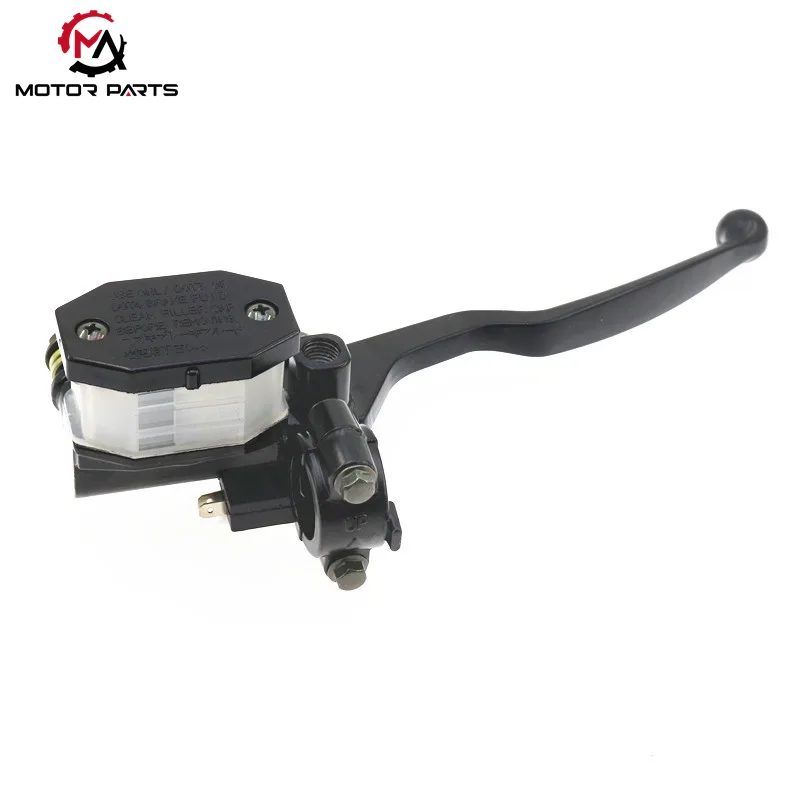
The motorcycle disc brake pump (also known as the brake master pump or brake slave pump) is the core power component of the hydraulic brake system. Its main function is to convert the mechanical force applied by the rider through the brake handle or brake pedal into hydraulic pressure, and push the brake actuator to move. The disc brake pump is usually divided into a main pump and a sub pump(also known as the brake caliper. The main pump is installed near the handlebar (corresponding to the brake handle) or the frame (corresponding to the brake pedal), while the sub pump is installed next to the brake disc of the wheel. The two are connected by hydraulic oil pipes to form a closed hydraulic circuit.
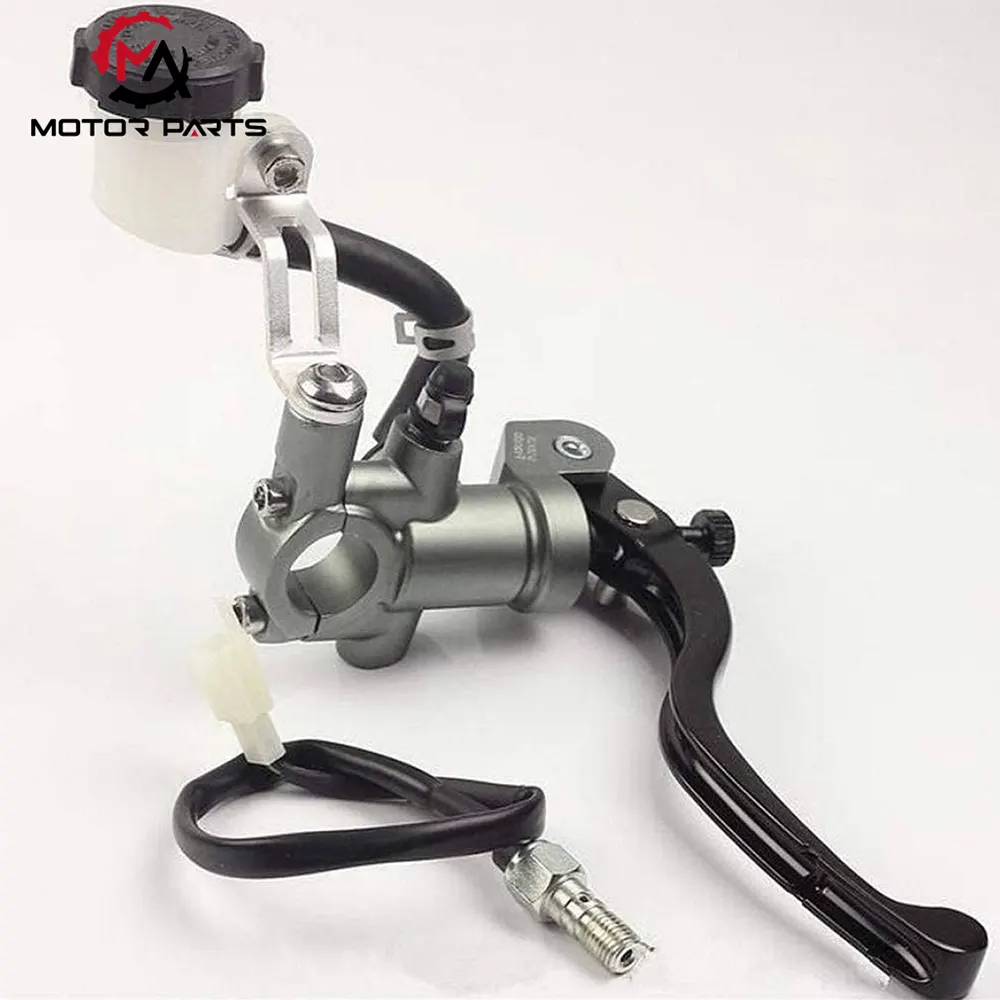
When the rider operates the brake lever or pedal, it will push the piston in the main pump to move, condense the hydraulic oil, and produce pressure in the hydraulic oil. High pressure hydraulic oil is transmitted to the cylinder by the oil pipe, pushing the piston inside the cylinder to stretch outward, and then driving the brake block to contact the brake disc, creating friction to achieve braking.
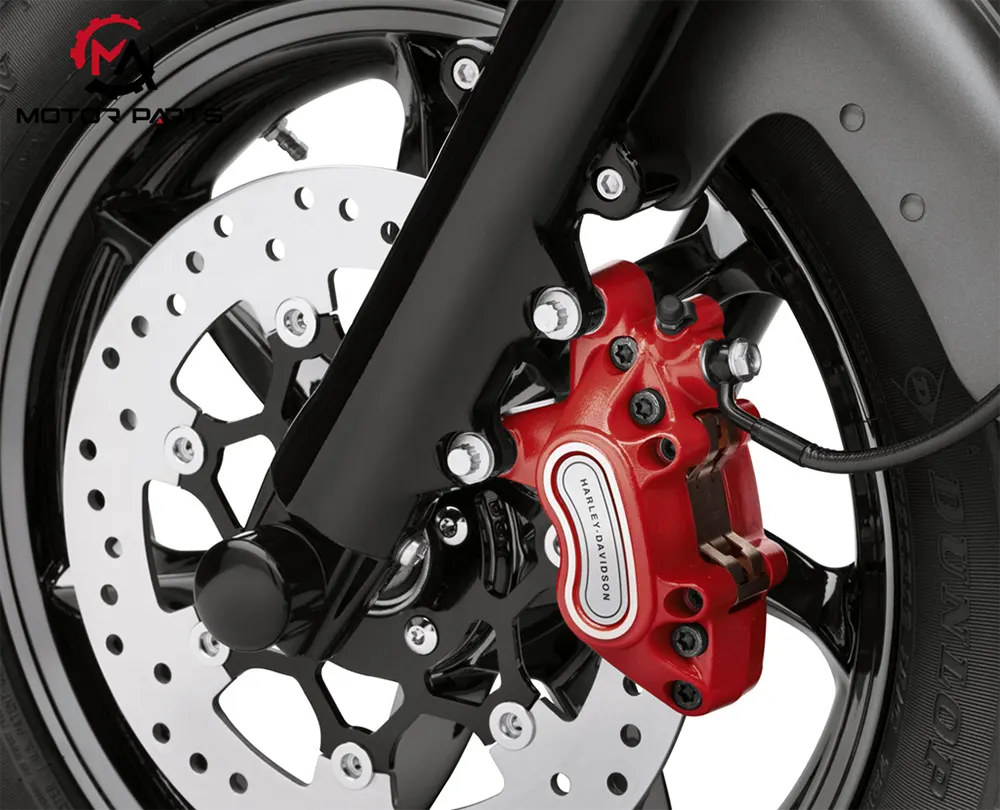
The performance of the disc brake pump directly determines the response speed and braking force of the braking system. High precision pistons and seals can ensure that hydraulic oil does not leak, while reducing the resistance of piston movement and improving the sensitivity and linearity of braking. In addition, some disc brake pumps are also equipped with heat dissipation structures, which reduce the temperature rise of hydraulic oil during braking through heat dissipation fins or ventilation design, avoiding brake performance degradation (i.e. "thermal degradation") caused by high oil temperature.
Motorcycle disc brake: the "force carrier" of braking friction
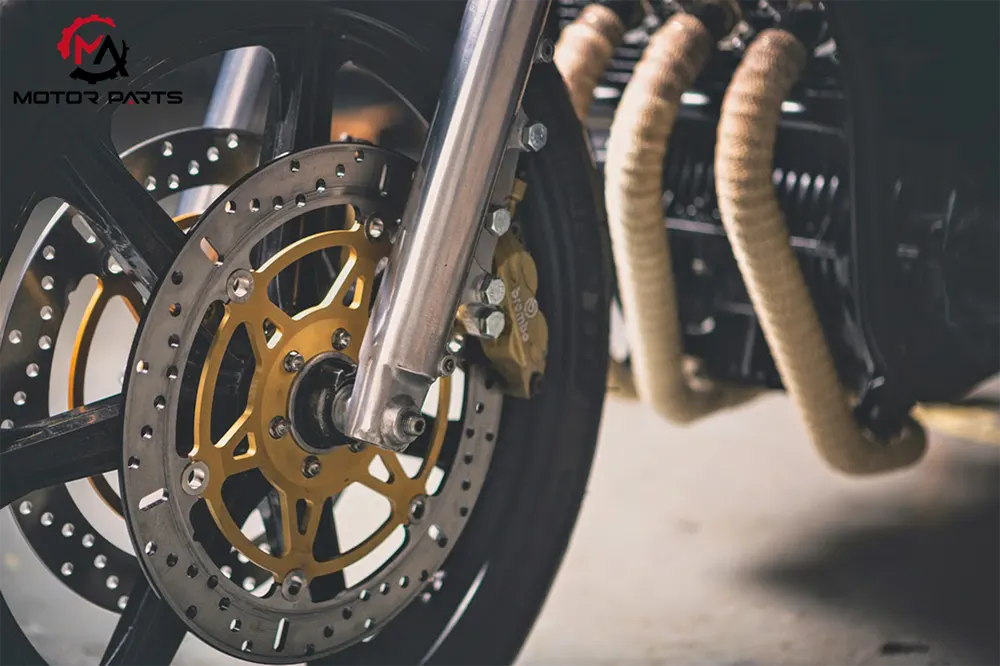
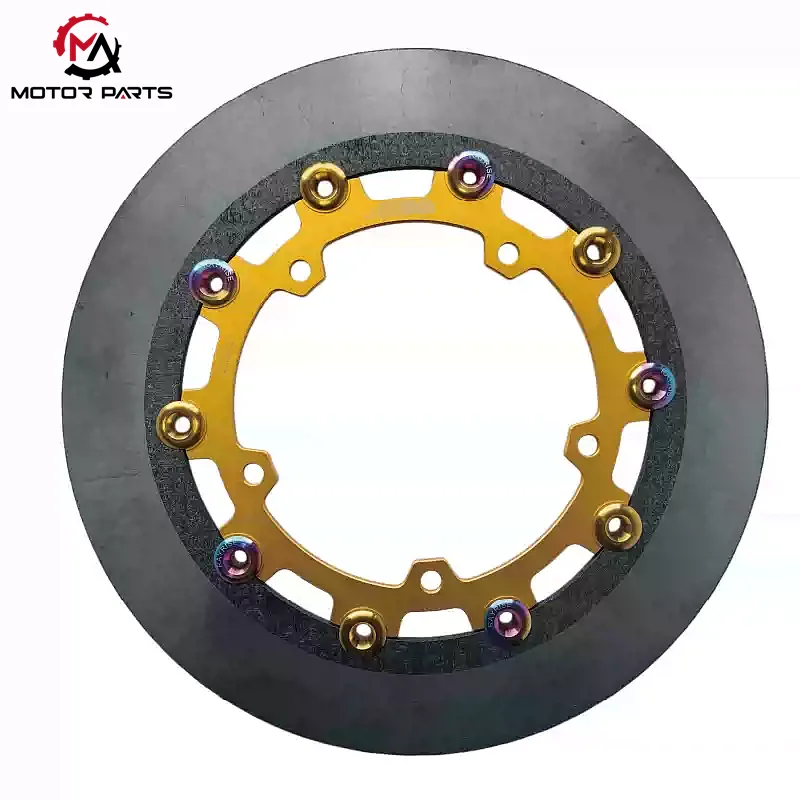
Motorcycle disc brake is a component in the braking system that directly bears frictional force. Its main function is to cooperate with brake shoes, generate braking force through friction between the two, and slow down or stop the motorcycle. brake discs are installed on the wheel hubs of motorcycles, rotating together with the wheels. They are mostly made of high-strength cast iron or stainless steel, and some high-end models use carbon fiber composite materials to ensure strength while reducing weight.
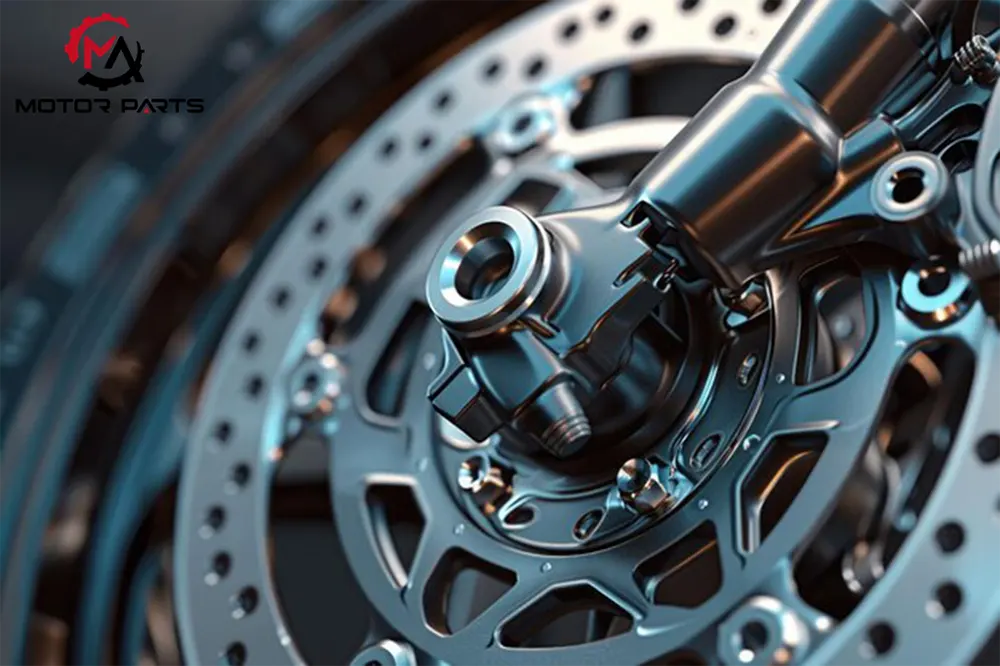
From the perspective of structural design, the surface of the brake disc will be designed with different styles of ventilation slots or heat dissipation holes. The main purpose of these designs is to quickly dissipate the heat generated by friction during braking and reduce the temperature of the brake disc. At the same time, the ventilation duct can also play a role in removing dust generated by brake pad wear, avoiding dust accumulation and affecting braking effectiveness.
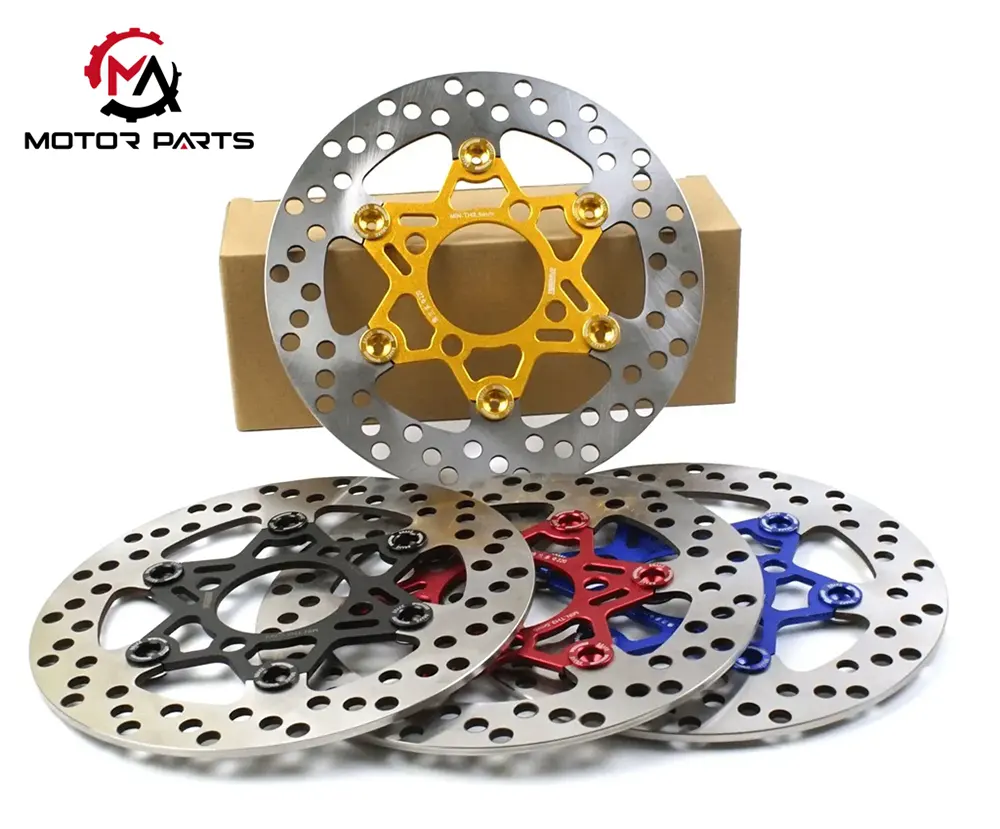
The size and thickness of Max Trading's brake discs are designed based on the motorcycle's displacement, weight, and braking requirements. Larger and thicker brake discs typically provide a larger braking area and better heat dissipation performance, making them suitable for large displacement sport motorcycles; Small displacement commuter motorcycles will use smaller brake discs to balance braking performance and lightweight requirements. In addition, the flatness and roundness requirements of the brake disc are extremely high. If the brake disc deforms or wears unevenly, it will cause problems such as abnormal noise and shaking during braking, affecting braking stability and riding comfort.
Motorcycle brake shoes: the 'core executor' of braking friction
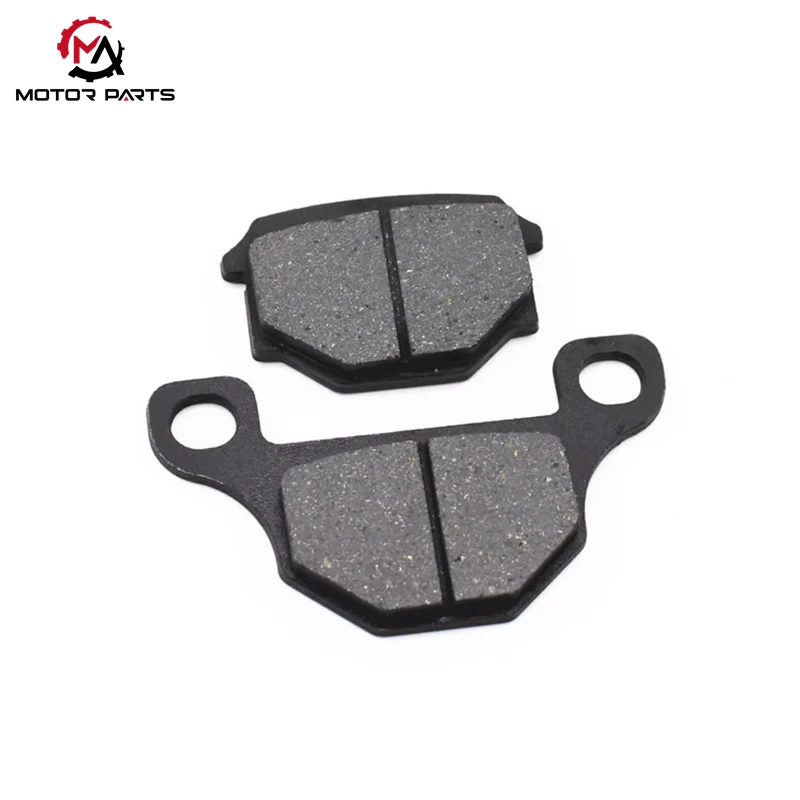
Motorcycle brake shoes (also known brake pads) are components that directly contact the brake disc and produce friction. Their main function is to tightly comply with the brake disc under the push of the disc brake pump, and to hinder the rotation of the wheels through frictional resistance, reaching braking effect. brake shoes are usually composed of two parts: a metal backing plate and a friction material. The metal backing plate plays a supporting and fixing role, and the material is mostly steel plate. The surface is treated with rust prevention; The friction material is the core part of the brake pad, usually made of composite materials such as resin, fiber, metal powder, etc. Its performance directly determines the braking effect, wear resistance, and quietness.
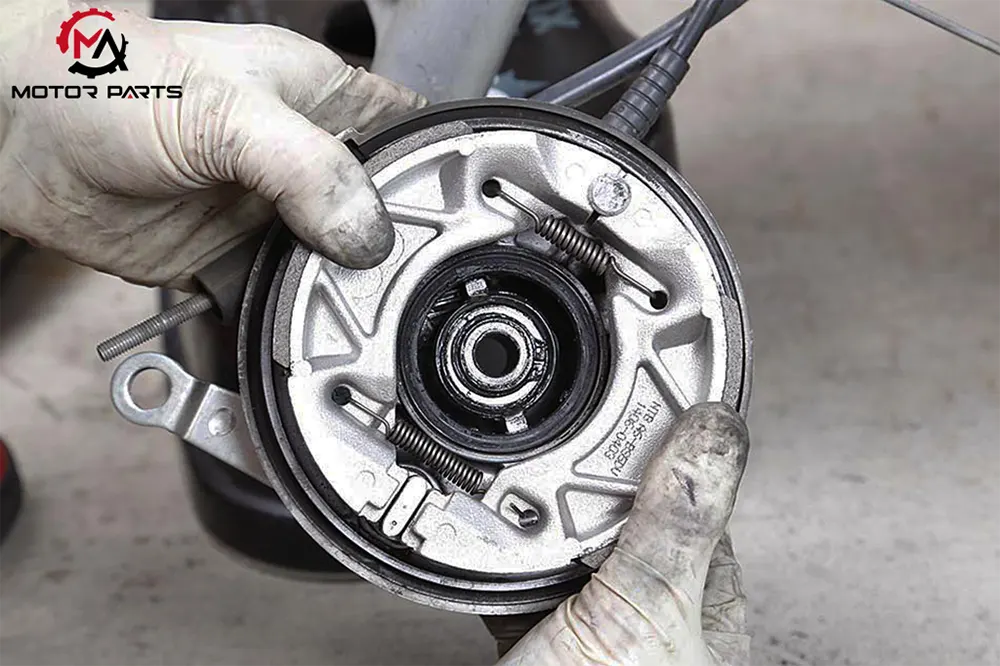
High quality brake shoes friction materials need to have a high coefficient of friction, good heat resistance, and wear resistance. A high coefficient of friction can ensure sufficient braking force during braking, causing the vehicle to decelerate quickly; Good heat resistance can avoid carbonization and failure of friction materials due to high temperature during long-term or frequent braking, reducing thermal attenuation; Wear resistance extends the service life of brake shoes and reduces replacement frequency; In addition, the design of brake shoes also needs to consider quietness by optimizing the formula and structure of friction materials to reduce abnormal noise caused by friction during braking.
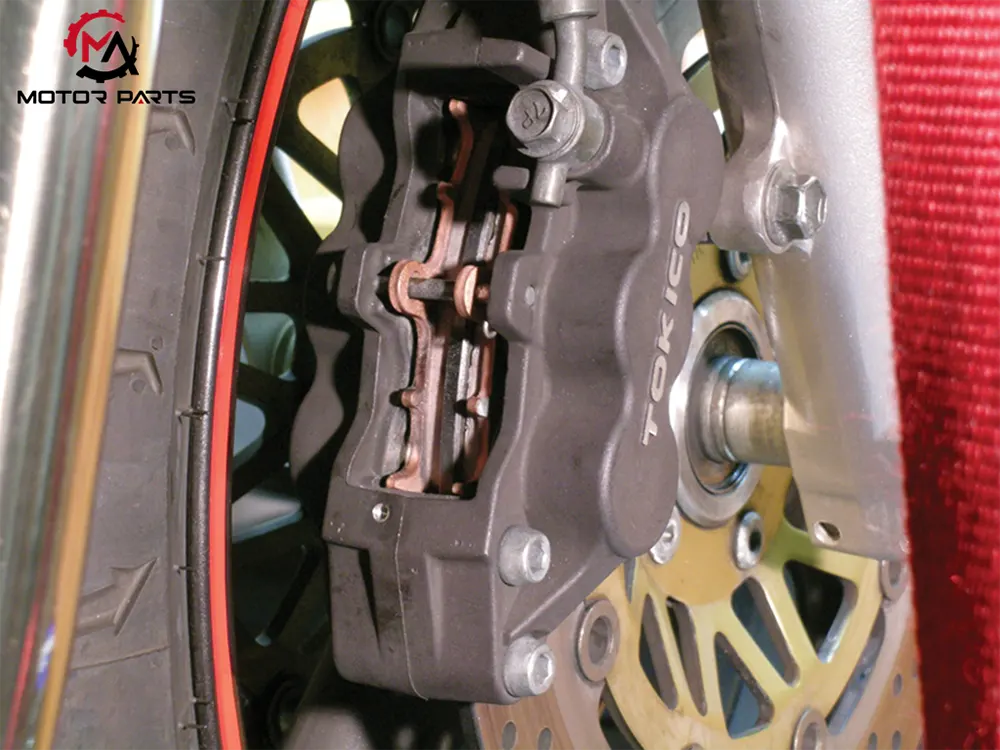
During use, the brake shoes will gradually wear out with friction. When the wear reaches a certain level (usually marked with a wear limit on the brake shoes), they need to be replaced in a timely manner, otherwise it will result in a decline in braking performance and even damage to the disc brake.
Choose Max Trading's products to ensure worry free riding. Max Trading focuses on the coordination of all motorcycle system products in product development, and through professional design, perfectly matches the performance of all important components to provide the optimal braking solution for different riding scenarios.